Skin Cancer: What you need to know
Your skin matters
Skin cancer is the most common form of cancer in the UK, but the good news is that when found early, many skin cancers can be treated successfully. Knowing what to look for could save your life or the life of someone you love.
Most people think skin cancer only affects older people or those who spend lots of time in the sun. The reality is that it can affect anyone, at any age, and sometimes in places that rarely see sunlight.
The main types of Skin Cancer
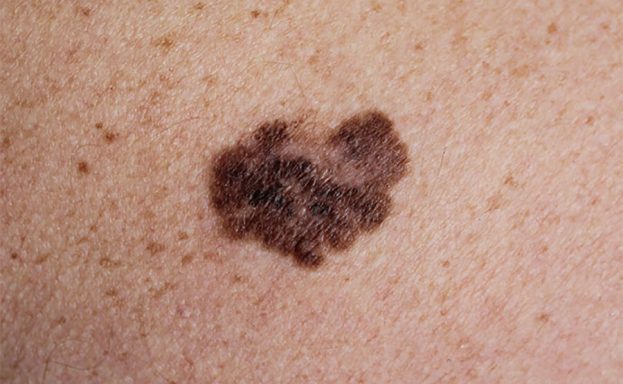
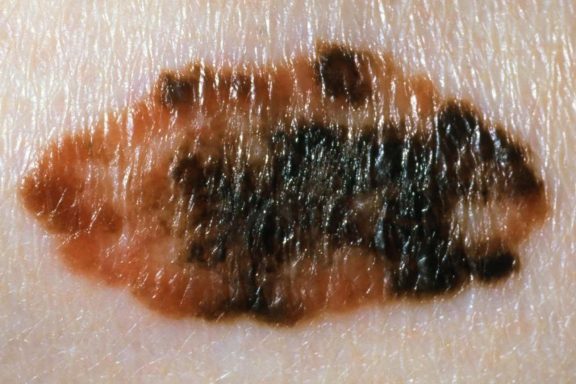
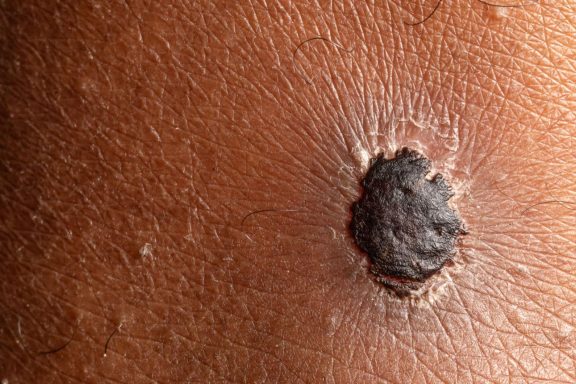
Melanoma is the less common but more serious type of skin cancer. It develops in the cells that give skin its colour.
It can spread to other parts of the body if not caught early, which is why recognising changes quickly is so important.
Signs of Melanoma
Look for:
- A new mole or mark appearing
- A mole changing in shape, size, or colour
- Uneven borders
- Multiple colours within one mole
- Itching, bleeding, or crusting
- A mole that looks different from your others
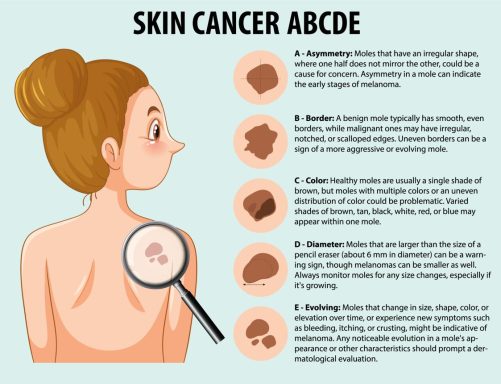
The ABCDE Guide
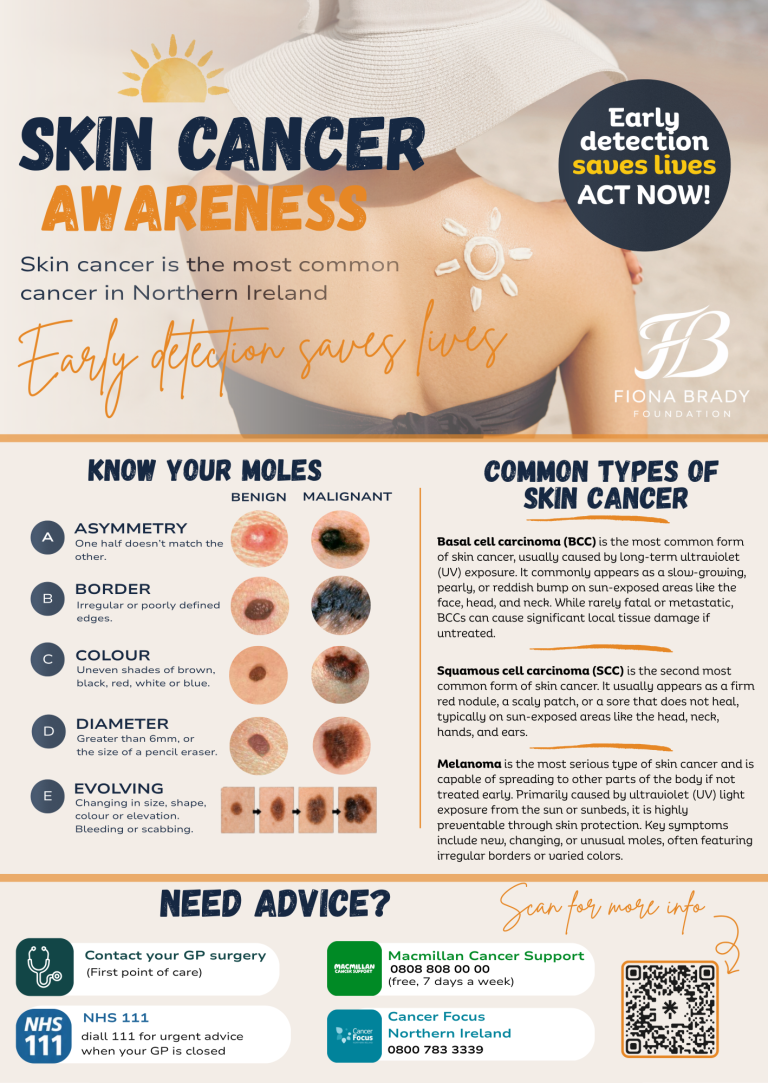
- A – Asymmetry: one half doesn't match the other
- B – Border: edges are uneven or blurred
- C – Colour: different shades within the same mole
- D – Diameter: larger than 6mm
- E – Evolving: changing over time
Non-Melanoma Skin Cancer
Non-melanoma skin cancers are more common and usually develop slowly. They are often linked to long-term sun exposure.
The two most common types are:
Basal Cell Carcinoma (BCC)
Usually appears as:
- A shiny or pearly lump
- A sore that does not heal
- A red or pale patch of skin
BCC rarely spreads but can damage surrounding tissue if ignored.
Squamous Cell Carcinoma (SCC)
May appear as:
- A scaly or crusty patch
- A firm red lump
- A sore that heals and returns
SCC can spread if left untreated, so it should always be checked.
Signs you should NEVER ignore
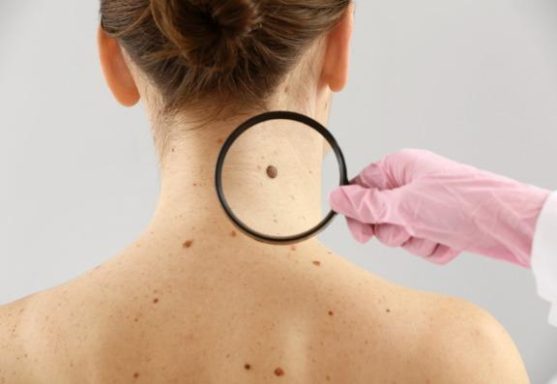
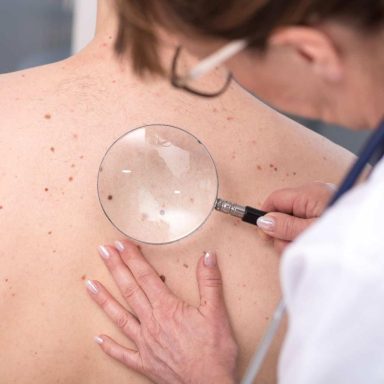
Speak to a GP if you notice:
- A mole changing in appearance
- A sore that will not heal
- Persistent itching or bleeding
- A new growth on the skin
- A patch of skin that looks unusual or different
You are not wasting anyone's time by getting checked.
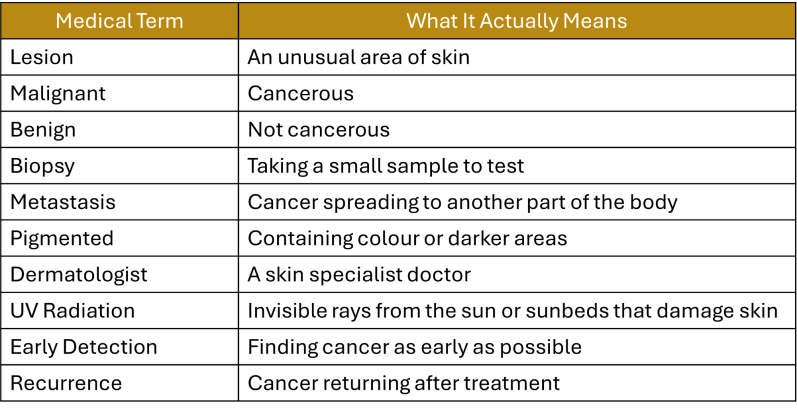
Understand the jargon
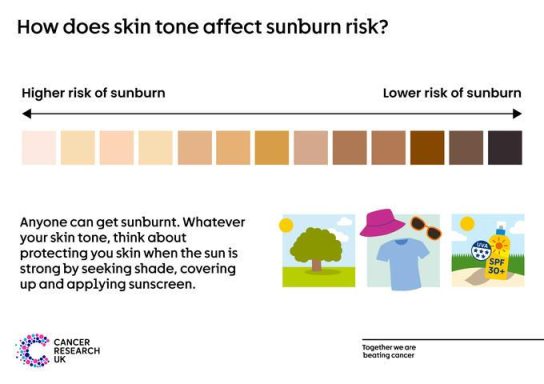
You may have a higher risk if you:
- Have fair skin or freckles
- Burn easily in the sun
- Have many moles
- Use sunbeds
- Spend lots of time outdoors
- Have a family history of skin cancer
- Have previously had skin cancer
Skin cancer can still affect people outside these groups too.
Who is most at risk?

Protect Your Skin
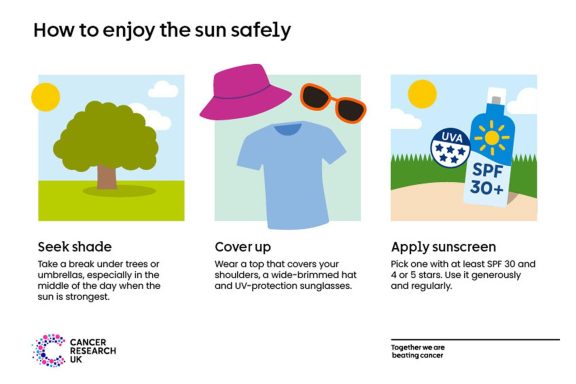
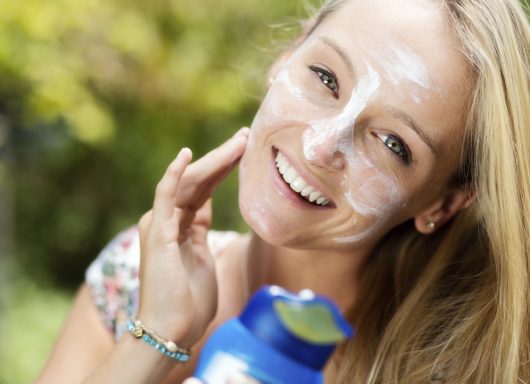
Simple steps can make a big difference:
- Wear SPF 30+ sunscreen
- Reapply sunscreen regularly
- Seek shade between 11am and 3pm
- Wear sunglasses and a hat
- Avoid sunbeds
- Check your skin regularly
A simple monthly check
Take five minutes once a month to check:
- Face and scalp
- Arms and hands
- Chest and back
- Legs and feet
- Areas you do not usually see
Use a mirror or ask someone you trust to help with hard-to-see areas.
Remember!
Skin cancer does not always look dramatic. Sometimes the smallest change is the most important one.
If something feels different, unusual, or persistent, get it checked.
Early detection saves lives.
Sunbed awareness factsheet
The hidden danger of sunbeds
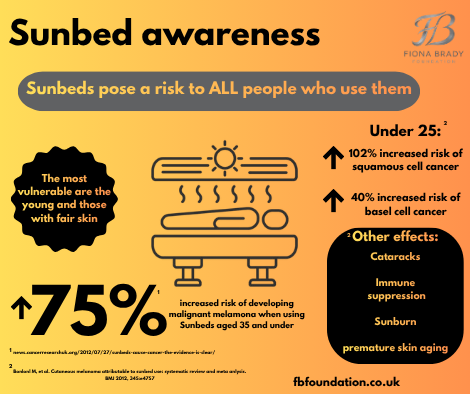
Sunbeds are not a safer alternative to natural sunlight. They emit ultraviolet (UV) radiation that damages skin cells and significantly increases the risk of skin cancer, including melanoma, the deadliest form of the disease.
Know your moles
Skin Cancer Awareness
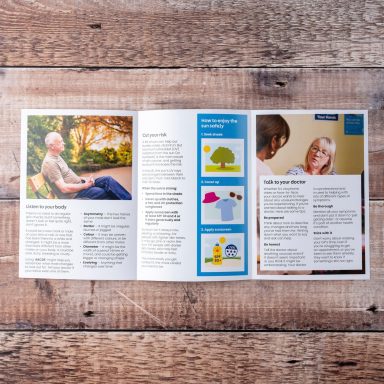
Skin cancer is the most common form of cancer in Northern Ireland, but it is also one of the most preventable. Raising awareness about the early warning signs and taking simple protective measures can make a significant difference. When detected early, skin cancer is highly treatable, which is why understanding your skin and noticing any changes is so important.
A helpful way to monitor your skin is by remembering the ABCDE rule: asymmetry, irregular borders, uneven colour, diameter larger than 6mm, and any evolving changes over time. If you notice a mole or patch of skin that looks different from others or begins to change, it’s worth getting it checked by a healthcare professional. Paying attention to these signs could quite literally save your life.
Protecting your skin doesn’t have to be complicated. Wearing protective clothing, using high-factor sunscreen, seeking shade during peak sun hours, and choosing proper eye protection are all effective ways to reduce your risk. Even on cloudy days, UV rays can still cause damage, so making sun safety part of your daily routine is key.
Skin cancer rates have risen significantly in recent decades, but with greater awareness and small lifestyle changes, we can help reverse that trend. Take a few moments to check your skin regularly and encourage others to do the same, because early detection truly saves lives.
Don't hesitate to checked
Early detection can save lives. If you notice a mole, mark, or patch of skin that has changed in size, shape, colour, or texture, it is important to seek medical advice as soon as possible. Skin cancer can affect people of all ages and skin types, and symptoms are not always painful or obvious in the early stages. Many people delay getting checked because they are worried about wasting someone’s time or because life simply gets busy, but speaking to a healthcare professional could make a significant difference. The earlier skin cancer is identified, the better the chances of successful treatment and recovery.
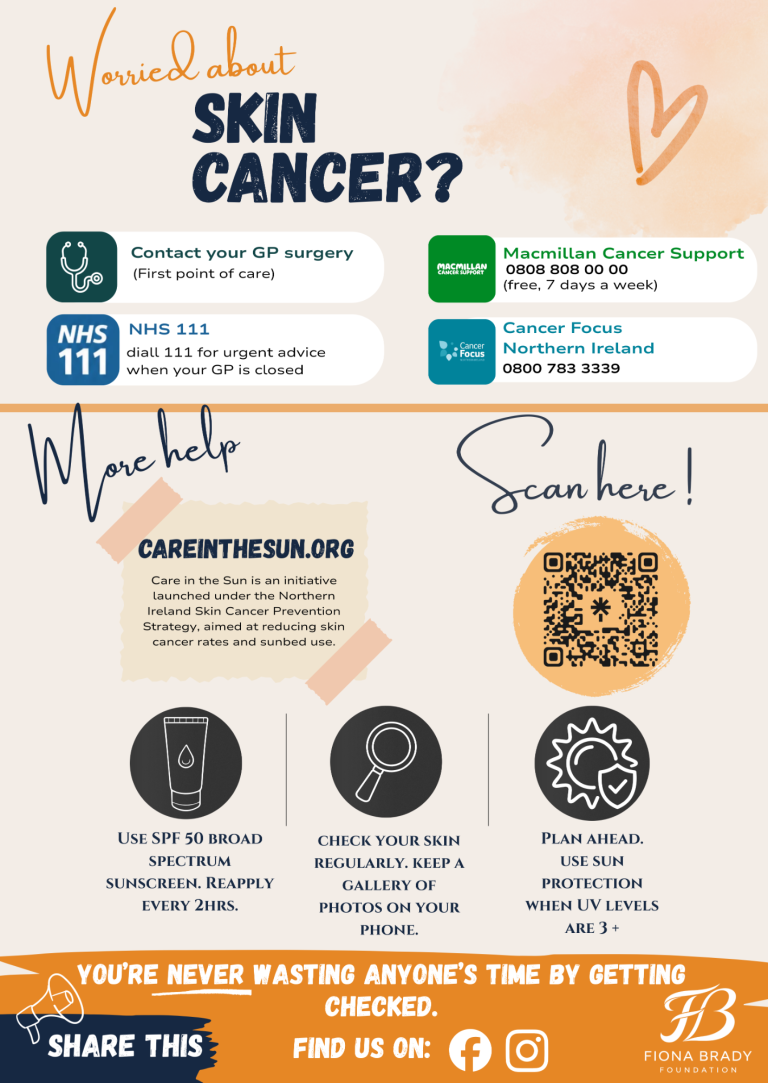
If you are in Northern Ireland and feeling worried or unsure, support is available. Your GP surgery should always be your first point of contact, and when your GP is closed you can call NHS 111 for urgent advice. Organisations such as Macmillan Cancer Support and Cancer Focus Northern Ireland also offer guidance, reassurance, and support for anyone affected by cancer concerns. No question is too small, and no concern is insignificant. Reaching out for help is a positive and important step.